Choosing a Dune Buggy for Dubai's Desert Terrain
Dubai's desert landscape offers a unique experience for anyone looking to explore the dunes. A dune buggy is the ideal vehicle for this, but finding the right one involves more than just picking a model that looks good. The wrong choice can leave you struggling with handling, comfort, or safety. Here is a practical walkthrough of what to consider when you are selecting a dune buggy for the sands around Dubai.
1. Assess the Vehicle's Purpose and Your Skill Level
Start by asking yourself what kind of experience you want. Are you looking for a fast, adrenaline-packed ride across large dunes, or a more relaxed tour that lets you take in the scenery? Your answer will guide the type of buggy you need.
For beginners, a dune buggy with automatic transmission and power steering is easier to control. These models take some of the complexity out of driving on sand, so you can focus on navigation and enjoying the ride. More experienced riders might prefer a manual transmission and a higher horsepower engine for greater control over throttle response and momentum on steep slopes.
Also consider your physical comfort. Single-seater buggies are compact and nimble, but they can feel cramped for taller drivers. Two-seater models offer more cabin space and often have adjustable seats, which can make longer rides more comfortable.
2. Check the Engine Type and Power Output
Dune buggies in Dubai typically run on petrol or diesel engines. Petrol engines are lighter and rev higher, which suits the quick bursts of speed needed to crest a dune. Diesel engines produce more torque at lower RPM, which can help maintain momentum in soft sand but add weight to the vehicle.
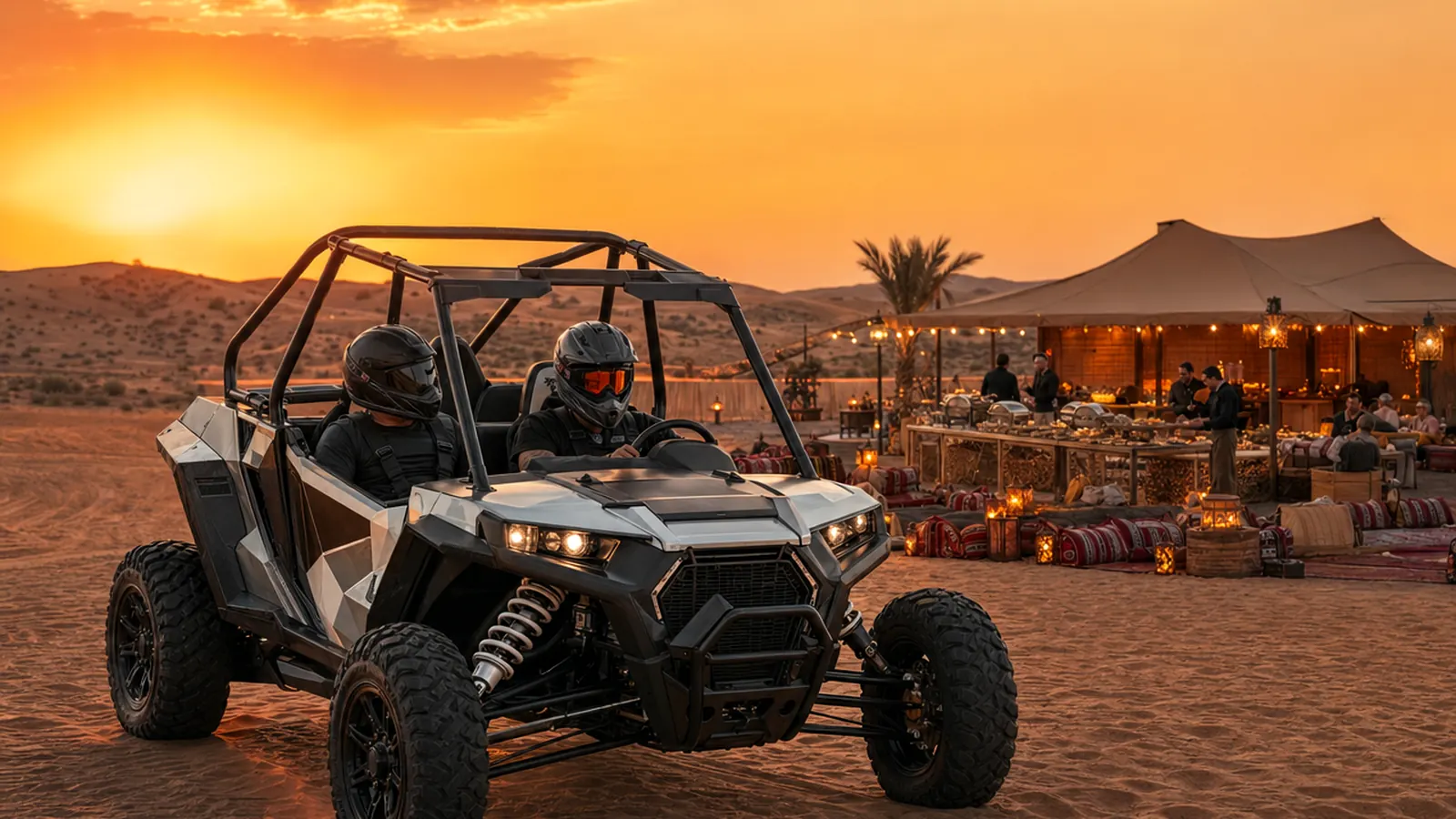
Power is measured in horsepower (HP) or kilowatts (kW). For Dubai's dunes, a buggy with at least 100 HP is a common starting point for recreational use. Lower power can leave you stuck on soft slopes, while too much power without proper control can make the buggy unstable. Look for a model with a power-to-weight ratio that matches your weight and the number of passengers the buggy carries. Heavier loads need more power to push through deep sand.
3. Evaluate the Suspension and Chassis Design
Dune driving means constant bumps, dips, and sudden changes in terrain. A good suspension system keeps the wheels in contact with the sand and prevents the buggy from bouncing out of control. Look for a buggy with independent suspension on all four corners. This design allows each wheel to react to the ground separately, maintaining traction on uneven surfaces.
The chassis should be sturdy but not overly heavy. A steel frame offers durability, but a well-engineered aluminum or composite chassis can reduce weight without sacrificing strength. Weight matters because a lighter buggy floats better on soft sand, while a heavier one sinks and requires more power to move. Check that the chassis has adequate ground clearance, typically 8 to 12 inches, so the undercarriage does not scrape on dune crests.
4. Inspect the Tires and Traction
An off-road tire is one of the most critical components for sand driving. Standard tires with deep treads are designed for mud or rock, not sand. On dunes, they dig in and bog the buggy down. Instead, look for sand-specific tires with a paddle-like tread pattern. These tires have wide gaps between the tread blocks, which allow the tire to "float" on top of the sand rather than digging in.
Check the tire pressure. Lower pressure increases the tire's footprint, which improves flotation. Many dune buggies use tires with a recommended pressure between 8 and 15 PSI for sand. Some buggies come with a tire pressure monitoring system, which can be helpful to adjust on the go. If the buggy you are looking at has standard off-road tires, ask whether they can be swapped for sand tires before you take the vehicle into the desert.
5. Prioritize Safety Equipment and Restraints
Driving in dunes involves sudden direction changes and steep angles. A proper safety harness keeps you securely in the seat. Look for a four-point or five-point harness system, similar to what you find in race cars. These harnesses restrain your upper body and legs, preventing you from being thrown around inside the cabin.
Wearing a helmet and goggles is standard practice. The helmet protects your head in a rollover, and goggles keep sand out of your eyes. Many buggies come with built-in roll cages that meet international safety standards. Check that the roll cage has padding on the bars near your head. Also, ensure the buggy has a reliable braking system. Disc brakes on all four wheels offer the best stopping power in sand, where traction is lower than on pavement.
6. Understand the Steering and Controls
Dune buggies use either a steering wheel or handlebars. Steering wheels offer a more familiar driving experience and allow finer control over direction, which is useful when navigating narrow dune ridges. Handlebars are lighter and offer quicker response, but they can be fatiguing on longer rides.
Check the turning radius. A buggy with a smaller turning radius is more maneuverable on tight dune crests but may feel twitchy at high speeds. A larger turning radius feels more stable but requires more space to turn around. Test the steering feel if possible, some buggies have power steering, which reduces effort, while others rely on manual steering, which gives more feedback from the sand.
7. Consider the Guided Tour Option
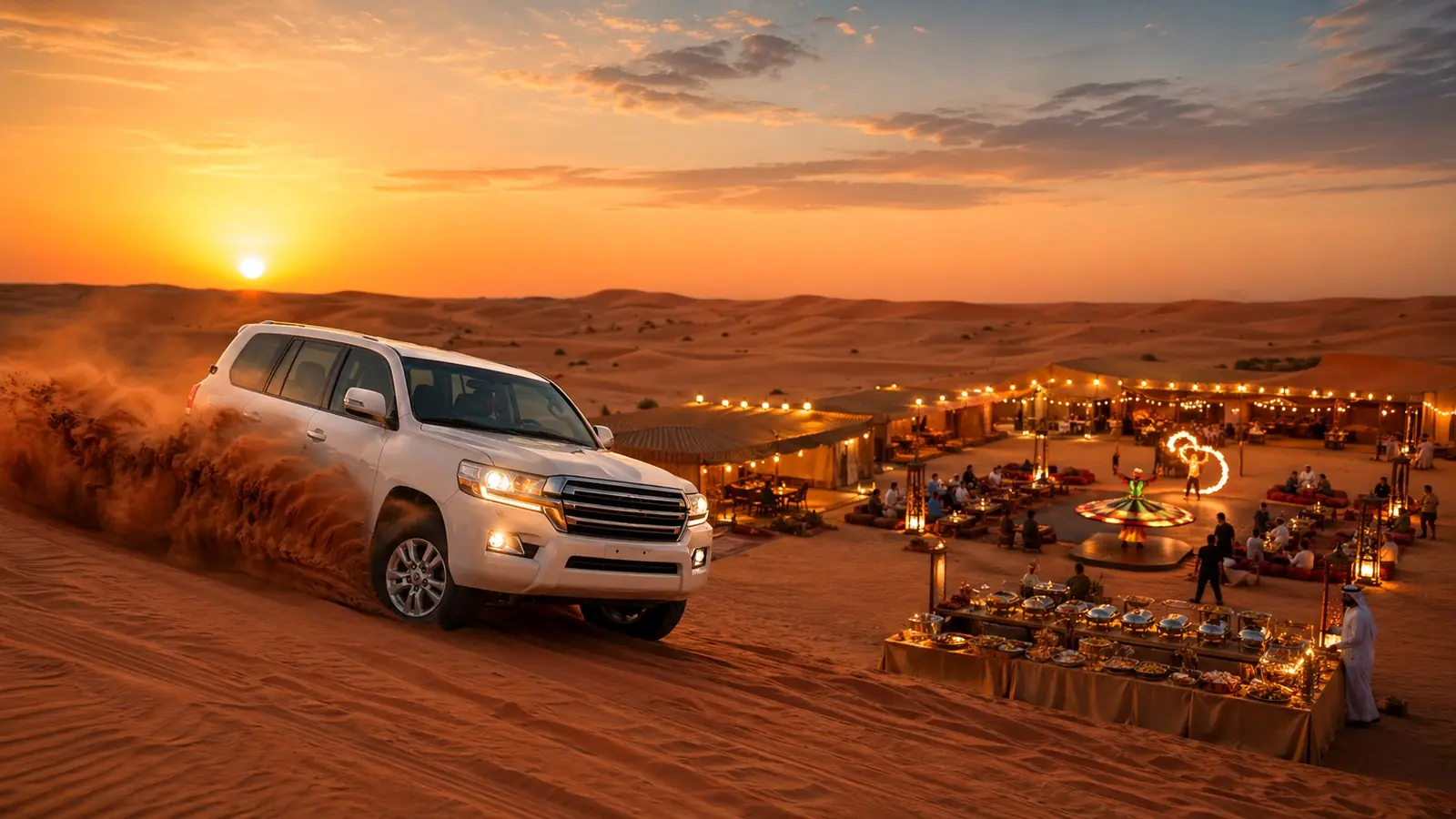
If you are new to dune driving, joining a guided tour can be a smart choice. A guided tour provides a trained leader who knows the terrain, the best routes, and how to handle unexpected situations like sudden sandstorms or soft patches. Tours often supply a vehicle that is already set up for the desert, with proper tires, harnesses, and safety gear. This removes the guesswork of choosing and setting up a buggy yourself.
When you book a tour, you can ask about the specific buggy model they use. A reputable operator will be transparent about the vehicle's specifications and maintenance schedule. If you plan to rent a buggy independently, a guided tour can also serve as a test run, you get a feel for what type of buggy suits you without committing to a purchase.
One operator that focuses on desert experiences is Buggy Ride Dubai. They provide vehicles tailored for the dunes, and their fleet includes models that match the considerations discussed here. Using their service gives you direct exposure to a properly configured dune buggy, which can inform your own buying decisions later.
8. Factor in Maintenance and Support
A dune buggy that works well in the desert needs regular maintenance. Sand gets into every moving part, so look for a buggy with sealed bearings and easy-access filters. Air filters should be washable or easily replaceable, as sand clogs them quickly. Also check the cooling system. Desert heat puts extra strain on the engine, so a buggy with a large radiator or oil cooler is preferable.
If you are buying a buggy for personal use, find out where you can get spare parts and service. Some brands have dedicated service centers in Dubai, while others require ordering parts from overseas. A buggy that is hard to maintain will spend more time in the garage than on the dunes. If you are renting, ask the rental company about their maintenance routine and how often they service the vehicles.
9. Test the Buggy Before Committing
Before you buy or rent a dune buggy for a longer period, try to take it for a short ride on similar terrain. Many rental companies and tour operators offer a short trial ride. Use this opportunity to check the buggy's acceleration, braking, and steering feel. Pay attention to how the buggy handles a soft patch or a steep slope. If the buggy feels unstable or difficult to control, it is probably not the right one for you.
During the test, listen for unusual noises from the engine or drivetrain. A well-maintained buggy should run smoothly. Also, check the visibility from the driver's seat, some buggies have a low windshield that can be covered in sand quickly, reducing your view. If possible, ride as a passenger first to get a sense of the buggy's behavior without the pressure of driving.
10. Make Your Choice Based on Your Needs
At the end of the day, the best dune buggy is the one that fits your skill, comfort, and the type of desert experience you want. A powerful, manual buggy with aggressive tires is great for an experienced rider who wants to tackle the biggest dunes. A beginner or someone who prefers a scenic ride will do better with an automatic buggy with good suspension and a comfortable seat.
If you are still unsure, spending time with a service like Buggy Ride Dubai can clarify what you value most. Their fleet includes different configurations, so you can compare models side by side. Use that experience to narrow down your preferences, then apply the same checks outlined here to any buggy you consider buying or renting elsewhere.
Choosing a dune buggy for Dubai's desert is about matching the vehicle to the terrain and your own expectations. Take the time to evaluate each aspect, and you will end up with a buggy that lets you enjoy the dunes safely and comfortably.